


From Biblical Foundations to Local Action: First AWF Africa Regional Relief and Development Practitioners Conference
Related News
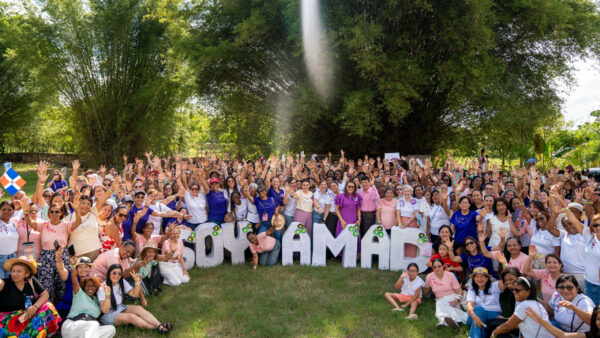
Latin American Women Gather in the Dominican Republic to Remain in His Light
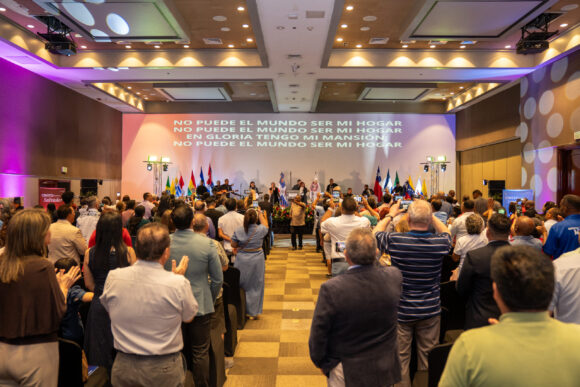
Latin American Alliance Leaders Gather in the Dominican Republic to Renew Their Commitment to God’s Mission
Nepal Flood Response: The Alliance in Nepal Stands with Affected Communities
Men From Across Africa Gather in Mali to Strengthen Men’s Ministry
Participants gathered in Benin to strengthen local churches, promote community development grounded in biblical principles, and commit to community transformation.
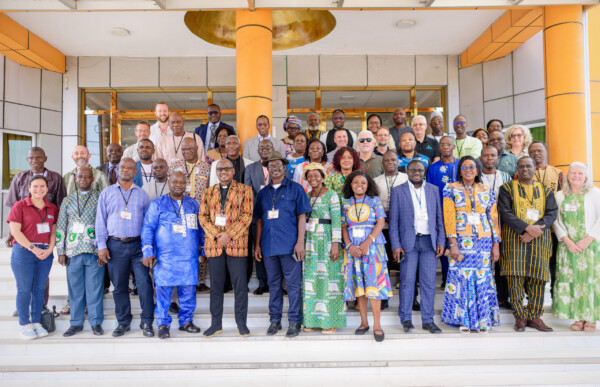
More than 50 participants from 15 countries gathered in Cotonou, Benin, from October 12-16, 2026, for the First AWF Africa Regional Relief and Development Practitioners Conference, organized by the Alliance World Fellowship (AWF) in partnership with CAMA Services (USA). Their goal was to strengthen the role of local churches in transforming communities through faith, practical action, and the responsible use of resources already available to them.
Organized through the collaboration of dedicated professionals from the Alliance World Fellowship (AWF) and CAMA Services, the conference brought together relief and development practitioners to strengthen ministry at the grassroots level. Through biblical teaching, practical training, and shared experience, the organizers sought to equip local churches to respond to community needs, mobilize local resources, and advance sustainable, holistic transformation grounded in Christian faith.
The conference marked an important step in the ongoing development of AWF’s Relief and Development (R&D) ministry. Through shared experiences, practical training, and regional collaboration, participants explored how churches can respond to urgent community needs while building pathways toward long-term, sustainable transformation.
At the heart of their discussions was a conviction: communities are not defined only by their needs. They also possess resources, knowledge, relationships, and God-given potential that can become foundations for change.
Building on a Shared Vision for Biblical Development
The gathering built on years of conversations within the Alliance family about the relationship between faith, compassion, and community development.
During the 2021 AWF Quadrennial Convocation in Guayaquil, Ecuador, an R&D workshop brought practitioners together to reflect on biblical foundations, effective practices, and ways to strengthen collaboration among churches. In 2023, the Asia Pacific (APAC) Region held its first regional R&D conference in Bali, Indonesia, creating opportunities for practitioners and church leaders to share expertise and develop practical responses to local needs.
These conversations continued during the 2025 AWF Quadrennial Convocation in Yamoussoukro, Côte d’Ivoire, where two R&D workshops explored “Creation Care and the Kingdom of God” and “Understanding the Basics of Development”. Facilitated by Stephen Albright and Jérémie Boré, the workshops connected biblical stewardship with practical development and encouraged participants to identify actions they could implement in their own ministries.
One of the key lessons was to focus on solutions rather than problems and to recognize the resources God has entrusted to individuals and communities. Participants committed to sharing what they had learned with others and bringing the teaching to their local churches.
That emphasis on moving from learning to action continued in Benin.
Recognizing the Resources God Has Already Provided
Throughout the conference, participants examined the challenges facing their communities, including security threats, humanitarian crises, food insecurity, youth unemployment, climate change, and leadership difficulties. They also identified assets that can help communities address these challenges, such as fertile land, local knowledge and skills, a dynamic young population, and established networks of local churches.
Sessions explored the relationship between church and community development, discipleship, community health, agriculture, and asset-based community development. Participants also reviewed the R&D White Paper and discussed practical approaches to planning, funding, monitoring, and reporting development initiatives.
The conversations emphasized the importance of mobilizing local resources, strengthening community ownership, and equipping churches to respond effectively to the needs around them.
This approach reflects AWF’s broader commitment to holistic ministry. The organization’s Relief and Development Committee seeks to mobilize the Alliance family to follow the example of Jesus by caring for people’s physical, emotional, and spiritual needs.
Learning from Practice at the Songhaï Centre
A highlight of the conference was a field visit to the Songhaï Centre in Porto Novo, Benin. The visit gave participants an opportunity to observe practical approaches to agriculture and sustainable development and to consider how lessons from the experience might inform their own community initiatives.
For Taty Tsika Timothée, Director of the Bureau d’Études et du Développement Communautaire (Office of Research and Community Development) of the Communauté Évangélique de l’Alliance au Congo (C&MA Church) in the Democratic Republic of the Congo, the conference provided valuable opportunities to learn about the church’s role, “Farming According to God’s Principles” establish and activate, and the assets available within communities. He also highlighted the Songhaï Centre visit as a memorable learning experience.
The visit reinforced a central message of the gathering: sustainable development begins by recognizing what communities already have, learning from practical examples, and adapting those lessons to local realities.
From Shared Convictions to a Common Commitment
The conference culminated in the adoption of the Declaration of Cotonou, dated October 15, 2026. The declaration sets out a shared commitment to advance holistic, community-centered development through local churches and collaboration across the Alliance family.
Participants committed to launching realistic initiatives using available resources, prioritizing women’s empowerment and youth entrepreneurship, and promoting integrity, transparency, and accountability. They also emphasized financial literacy, practical training, and the transfer of skills that can strengthen local capacity.
A significant commitment is to establish the Regional Alliance Relief and Development Practitioners Platform by the end of 2027. The platform is intended to connect practitioners, churches, and organizations, enabling them to share expertise, exchange effective practices, and work together more strategically.
The declaration also calls on national church leaders to strengthen collaboration with their relief and development organizations and associations. International partners are encouraged to build relationships based on reciprocity, local capacity, and sustainability.
These commitments translate the principles explored in earlier workshops into a regional framework for continued learning, cooperation, and practical action.
Planting Seeds for Lasting Transformation
For Shawn McCabe, Africa Regional Developer at CAMA Services, the value of the gathering extends beyond the days spent together in Benin.
“When God brings his people together, he plants seeds for transformation that extend far beyond the gathering itself,” McCabe said.
Reflecting on the conference, McCabe also expressed encouragement at the engagement of Alliance churches, the opportunity to strengthen existing relationships, and the new connections formed. He shared his hope that the vision and relationships developed during the gathering would bear fruit in communities across the region.
As participants return to their countries and ministries, the challenge is to put these shared convictions into practice: to equip local churches, develop community resources, encourage women and young people, and create initiatives that respond to real needs.
Eunice Ron Mateo, Administrative Assistant to the AWF R&D Office also reflected on the significance of bringing practitioners together around a shared vision.
“Being part of the organization of this conference was a reminder that transformational development begins when we bring people together around a shared vision and a common commitment to serve,” Eunice said. “It was encouraging to see practitioners from across Africa exchange experiences, learn from one another, and recognize the resources God has already entrusted to their communities. Beyond the sessions and conversation, the relationships built and commitments made in Benin give us hope for what lies ahead. My prayer is that what we shared and learned will move beyond the conference and become practical action through local churches, strengthening communities and reflecting Christ’s love in tangible ways.”
The Declaration of Cotonou closes with a clear expression of this commitment:
“We choose not to wait until we have everything before we begin. We will begin with what we have. We will value what God has entrusted to us. We will train, take initiative, and collaborate. For the glory of God and the resilience of our peoples.”
The gathering in Benin has ended, but its work is only beginning. Through local initiatives, shared learning, and stronger partnerships, the Alliance family is seeking to turn these commitments into practical expressions of Christ’s love and compassion—and lasting transformation for the communities it serves.