


Churches Stand Firm in Myanmar as Conflict Deepens and Communities Suffer
Related News
Nepal Flood Response: The Alliance in Nepal Stands with Affected Communities
Men From Across Africa Gather in Mali to Strengthen Men’s Ministry
From Fire to Mission: A Generation Rises at IGNITE Paris 2026
When the Earth Shook, the Church Opened its Doors in Colombia
Christian communities in Myanmar are serving and worshiping amid escalating conflict, supporting displaced families as hospitals, schools, and homes face violence and insecurity.
When night falls in parts of Myanmar, silence often replaces songs. Church doors remain closed, not by choice, but by necessity. Yet faith continues to gather people—sometimes in homes, sometimes in forests, sometimes in quiet prayers spoken without music or lights.
Amid relentless conflict in Myanmar, Christian communities continue to gather, serve, and care for their neighbors, even as homes, hospitals, and schools fall in the path of violence. The long conflict, which began after a military coup displaced the elected government in 2021, has transformed daily life for millions across the nation.
Myanmar, a Southeast Asian nation home to many ethnic groups and religions, has seen its people face profound hardship. The military’s efforts to regain control against various armed opposition forces have driven intense battles across cities and rural areas alike. Recent airstrikes have hit civilian infrastructure, including hospitals, killing and injuring many innocent people and drawing condemnation from international organizations.
Communities remain deeply affected by these battles. Parts of Rakhine State, where many ethnic minorities live, have seen repeated fighting that has displaced tens of thousands of civilians. Humanitarian needs are overwhelming: food insecurity is worsening, and millions of people face hunger and displacement as services collapse and aid struggles to reach every corner of the country.
Years of conflict have reshaped daily life for Christian communities across the country. Churches have been occupied, damaged, or destroyed. Worship schedules change from week to week. Pastors travel cautiously, carrying identification documents and letters of recommendation, aware that a checkpoint or a question could change everything.
Still, believers continue to meet.
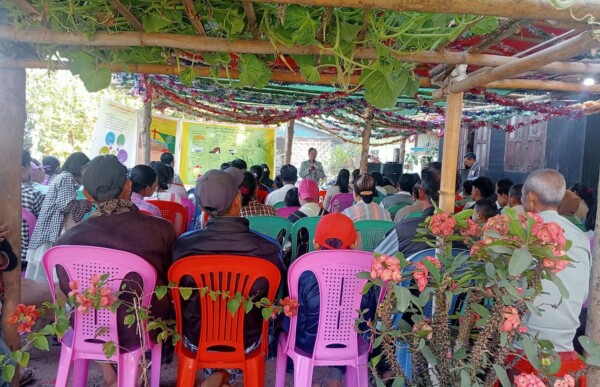
In areas where public worship is not possible, small groups gather in houses or temporary shelters. When movement is dangerous, prayer replaces full services. In some regions, families meet in jungles or hillsides where displaced communities have taken refuge. Those who have reached safer areas continue to support others, sending offerings and assistance whenever possible.
Pastors remain present with their people, even when it places them at risk. Some have been arrested, questioned, or beaten. Others have been forced to leave their villages after churches were damaged or destroyed. One pastor described conducting a funeral after confirming the death of a young member who had been shot and burned. The weeks that followed were marked by pressure and surveillance.
Movement is limited by roadblocks, checkpoints, and damaged infrastructure. Communication is unstable, with phone and internet access frequently restricted. Leaders rely on careful planning and discreet coordination to visit members, deliver aid, or organize worship. In some cases, religious and community leaders mediate with authorities to secure the release of detained civilians, often at personal cost.
Despite these constraints, churches continue to serve their communities. Local congregations and humanitarian partners provide food, water, shelter, and basic medical care. Displaced families find refuge in churches, schools, and community halls. Volunteers support children with informal education and help young people develop skills to find work. Church-run and private schools offer reduced or free tuition for children affected by the conflict.
Among these efforts, individual stories stand out.
In Tamu, a displaced couple began informal classes for children after government schools closed. Today, about one hundred students attend lessons, finding stability through learning. In Kalemyo, a community leader serves as a mediator for families facing detention, spending long days negotiating releases. In the hills of Karen State, a displaced believer now lives among refugees, offering Bible teaching and encouragement while helping neighbors recover from fear and loss.
Faith remains central to endurance. Prayer, Scripture, and mutual support shape daily rhythms. Believers speak of relying on God for strength and protection, even as uncertainty continues. Churches advocate peace and reconciliation, serving as bridges within divided communities.
Looking ahead, many fear that the months to come will bring further instability. Talk of elections raises concerns about unrest and increased violence. While there are reports of dialogue, expectations remain cautious.
Yet hope persists.
Amidst displacement and restriction, the church in Myanmar continues to gather, serve, and pray. Its witness is not defined by buildings or programs, but by people who choose to remain present with one another, trusting that light is not extinguished by darkness.