


Alliance Seminaries in Latin America Advance Theological Education Through Cooperation
Related News

When the Earth Shook, the Church Opened its Doors in Colombia

Meet Armando Duardo, the New President of the Alliance of Cuba
Alliance Churches in Venezuela Bring Relief and Hope After Devastating Earthquakes
When Buildings Fell, The Church Stayed: Alliance Churches Respond to the Philippines Earthquake
Alliance seminaries in Latin America strengthen theological education through cooperation, shared certification, and a new consortium.
For decades, theological education in Latin America developed mainly through individual institutions serving their local churches. Over time, social, educational, and ecclesial changes made clear that isolated models no longer met the needs of pastoral formation or mission. In response, cooperation emerged as a shared path forward.
Across the global church, seminaries are moving from independent structures toward networks built on academic partnerships, shared standards, and joint programs. These models allow institutions to work together without losing their confessional identity. Cooperation does not seek uniformity, but mutual strengthening.
In the evangelical context, this cooperation has taken practical form. Seminaries now develop joint academic programs, recognize and transfer credits, exchange faculty, and collaborate in certification and quality assurance processes. These efforts help seminaries use resources wisely while responding to the needs of churches and Christian organizations.
Another development is the closer connection between seminaries, churches, and mission agencies. This relationship keeps theological education rooted in ministry and mission, ensuring that academic programs remain connected to pastoral practice and local realities.
A key expression of this movement is cooperation among institutions in the Global South. Seminaries in Latin America, Africa, and Asia are working together to develop contextual curricula, produce shared resources, and train faculty. This approach strengthens theological reflection shaped by local contexts and reduces dependence on external models.
Technology has also opened new ways to cooperate. Shared digital platforms, hybrid programs, and modular training have made theological education more accessible. Micro-credentials and joint certifications now allow students to follow flexible learning paths that are recognized across institutional networks.
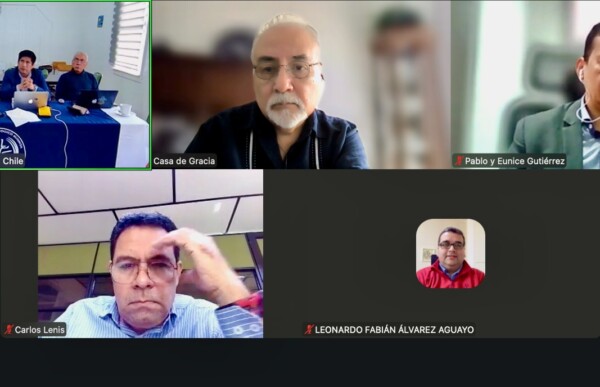
Within this broader context, the Alliance Theological Institutes of Latin America (ITAAL) are advancing a strategic initiative: the creation of a Consortium of Alliance Seminaries. The goal is to strengthen ministerial relevance, academic quality, and institutional sustainability.
Seven seminaries are currently part of this collaborative effort, including two institutions with more than 100 years of history. Participation in the consortium requires Ecclesiastical Certification, a process already underway.
One seminary, the Alliance Theological Seminary of Temuco in Chile, has completed its self-evaluation and institutional interview and received a strong assessment. It is the first institution to obtain Ecclesiastical Certification granted by The Christian and Missionary Alliance. The remaining seminaries will continue the certification process throughout 2026.
As theological education in Latin America faces ongoing challenges, cooperation is no longer optional. It is a shared commitment to serve the church, support mission, and prepare leaders for faithful ministry across regions and generations.
Further updates on this collaborative journey will be shared as Alliance seminaries continue working together to strengthen theological education in Latin America.